
How to Use Compost the Right Way: Application Guides for Every Project
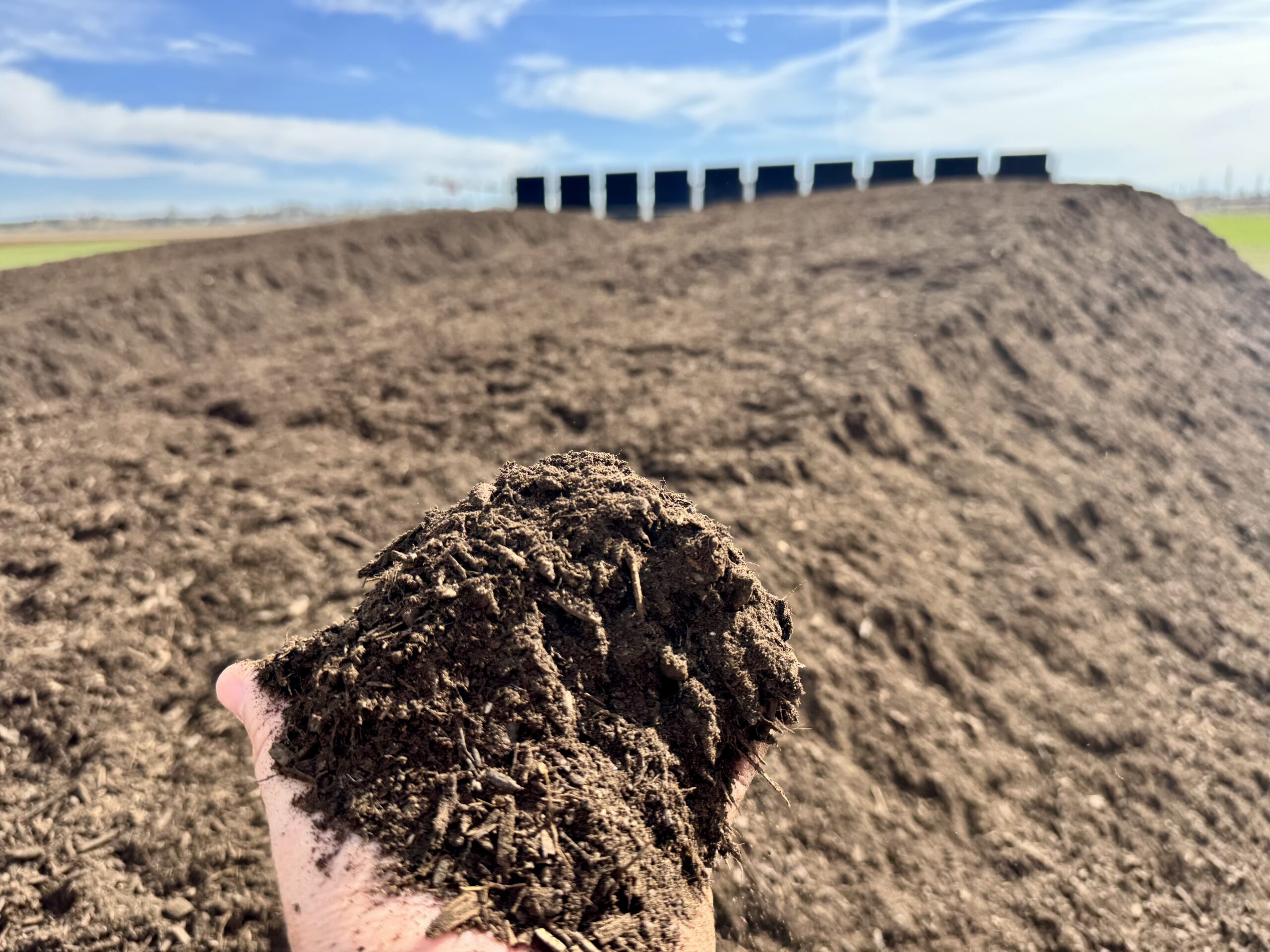
Compost works best when it’s applied correctly — and the right approach varies depending on whether you’re seeding a lawn, amending raised garden beds, managing a sports field, or stabilizing a slope. As Colorado’s leader in certified organic recycling and STA-certified composts, we want to make sure our customers get the results they’re looking for. That’s why we’re sharing these research-backed application guides from the Compost Research & Education Foundation (CREF), developed by compost specialists and backed by decades of field research.
What’s Inside The G uides
uides
The CREF has put together detailed factsheets covering the most common compost use cases. Here’s a quick summary of what’s covered:
Bioretention media — How to blend compost into stormwater management systems to improve filtration, reduce runoff, and support vegetation. Includes compost inclusion rates (20–40% by volume) and drainage specs.
Landscape gardens — Incorporating compost into ornamental planting beds, trees, and shrubs to improve soil structure, cut fertilizer needs by up to 75%, and reduce watering by 25–50%.
Topsoil manufacturing — Blending compost with mineral soil components to create high-quality landscape or turf-grade topsoil, either on-site or off-site.
Upgrading marginal soils — Using compost to reclaim compacted, disturbed, or salt-damaged land — including guidance for un-irrigated and low-maintenance sites.
Erosion control blankets — Applying coarser compost as a surface layer to reduce sediment movement by up to 99% and cut stormwater runoff by up to 97%.
Row crop production — Application rates and timing for incorporating compost into agricultural fields, with guidance on no-till management and fertilizer reduction.
Turf installation — Soil prep before seeding, sprigging, sodding, or hydroseeding, with compost inclusion rates that can replace up to 100% of first-year fertilizer.
Turf maintenance — Top-dressing established turf with compost, ideally in combination with core aeration, to reduce compaction, suppress disease, and cut ongoing fertilizer use.
Edible gardens — Building healthy, productive soil for vegetables, herbs, and small fruits, including raised bed construction guidance.
Supplementing plant nutrition — Using compost as a slow-release nutrient source across agriculture and turf, with notes on nitrogen release timing and cost savings.
Why Certified Compost Matters
Not all compost is equal. Our products — including BioComp, EcoGro, EcoComp, EcoPlus, and COMAND — are STA Certified through the United States Composting Council’s Seal of Testing Assurance program. That means every batch is independently sampled, tested by a proficiency-tested laboratory, and verified to meet quality standards for stability, maturity, physical contaminants, and biological safety. When these guides reference compost quality parameters, our certified products are built to meet them.
Download the Compost Application Guides