
Wood You Believe It? Why Composted Wood Pieces Are Good for Your Soil
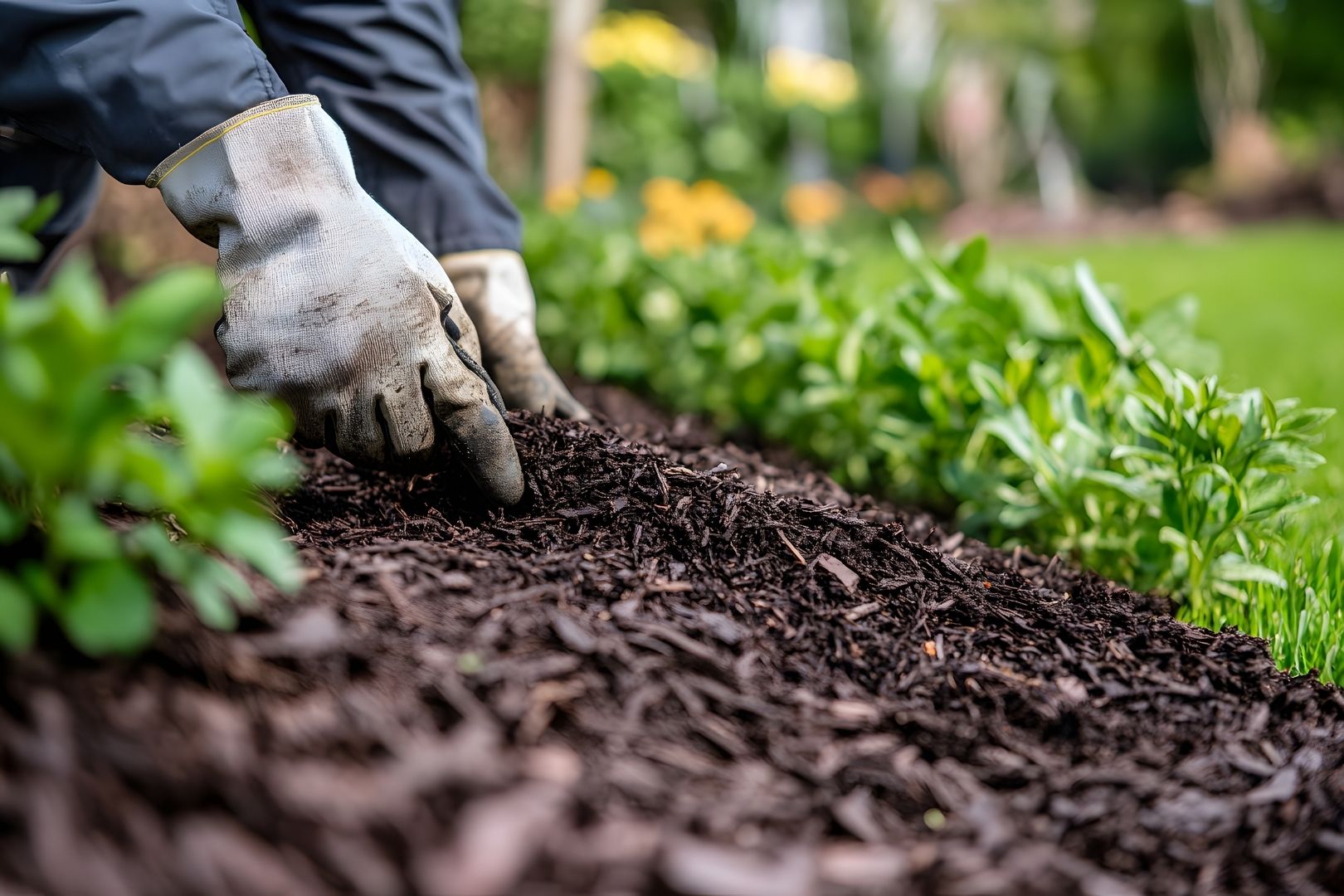
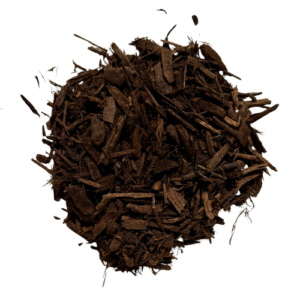
If you’ve ever noticed small pieces of wood mixed into a bag of compost, you might wonder if it belongs there. It does. Wood is a natural part of what makes compost valuable to your soil, and it’s worth understanding why.
Wood Adds to the Organic Matter That Makes Compost Work
Organic matter is often the most valuable part of compost when it comes to improving soil health, and organic carbon makes up roughly half of that organic matter by weight, according to Oregon State University Extension [1]. Wood is a naturally carbon-rich material, so as it breaks down, it becomes part of that same valuable organic matter that gives compost its soil-building power.
It Helps Soil Hold Water and Nutrients
Colorado State University Extension explains that organic matter improves the drainage and aeration of clay soil, essentially helping to separate tightly packed clay particles so water and air can move through more easily. In sandy soil, organic matter works the other direction, helping it hold onto water and nutrients it would otherwise lose too quickly. CSU Extension also notes that compost holds moisture like a sponge and releases nutrients slowly over time [2].
It Supports Living, Active Soil
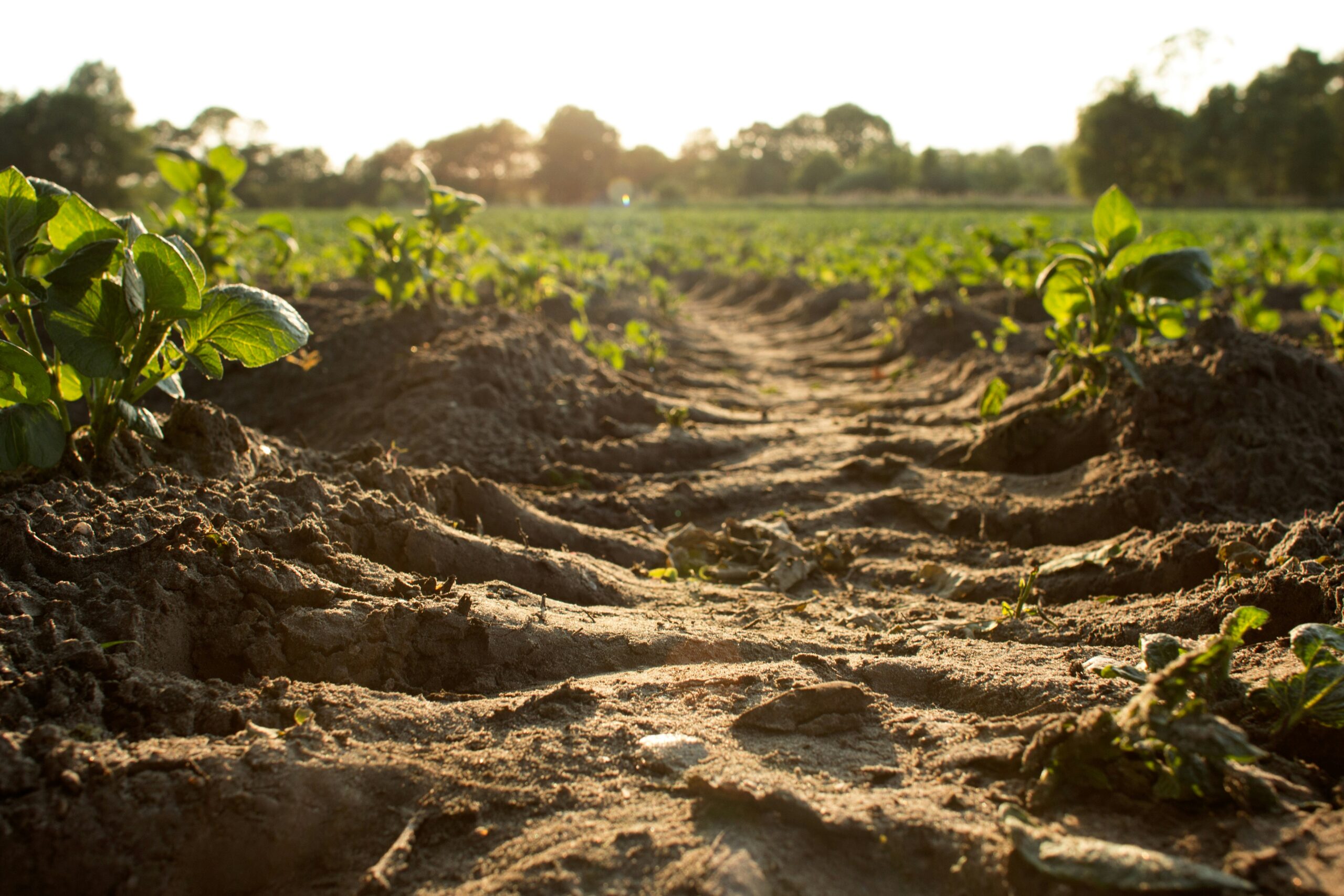
Healthy soil depends on more than water and nutrients. According to CSU Extension, compost increases the activity of earthworms and other natural soil organisms that are beneficial to plant growth [2]. The organic matter that wood contributes helps feed that underground activity over the long term, rather than all at once.
The Bottom Line
Wood in your compost isn’t filler or an inconsistency, it’s organic matter doing exactly what it’s meant to do: building better soil structure, holding moisture and nutrients, and feeding the living organisms that keep soil healthy. A1 Organics’ compost products are STA Certified, tested through the U.S. Composting Council’s Seal of Testing Assurance program, so you can always request test results if you’d like to see the numbers behind what’s in your bag.
Have a question about a specific A1 Organics product or what you’re seeing in your compost? Call or email us, we’re happy to help.
| Call 800.776.1644 | Email Us |
Sources
- Oregon State University Extension Service, “Interpreting Compost Analyses.” extension.oregonstate.edu
- Colorado State University Extension, “Composting Yard Waste.” extension.colostate.edu